

If your business internet is slow, fibre is usually the stronger long-term choice for a permanent office with several people working online, using cloud tools or handling large files. Fixed Wireless LTE internet can make more sense when fibre isn’t available. It’s a quick deployment solution to get you connected and can be used as a backup connection.
There is no single winner. The right choice depends on your address coverage, the way your team works, how soon you need to be online and what downtime could cost you.
Why your connectivity choice matters
When your internet connection slows down, productivity quickly follows. Transactions take longer to process, video meetings get disrupted, cloud-based applications lag, and employees lose valuable time waiting for systems and web pages to respond.
The fastest package isn't always the best fit. The real question is whether the connection can handle your business applications, staff, your customers, and workflows without interruption.
Think about your busiest time of the day. How many people are connected, processing payments, uploading files and working all at once? Your connectivity should be able to handle that level of demand, consistently.
What is fibre?
Fibre brings internet to your premises through fibre-optic cables. Once installed, it’s generally a good fit for businesses that need consistent connectivity and expect their online needs to grow.
One of its biggest strengths is reliability. Fibre delivers steady, consistent speeds that don’t fluctuate, so you can be sure of the connection you’re getting, day in and day out.
Fibre may suit your business if you:
- Have several staff members online at once
- Use cloud-based business systems
- Hold regular video meetings
- Send or receive large files
- Run online payments
- Plan to add more people or devices
The main thing to check is coverage. Telkom is continually expanding and upgrading its fibre network, so the quickest way to see what’s available for you is to run a coverage check at your exact business address.
What is Fixed Wireless LTE?
Fixed Wireless LTE uses the same LTE mobile network your cellphone connects to, but instead of a phone, it delivers that internet signal wirelessly to a router at your premises.
Unlike fibre, which is tied to one physical address, Fixed Wireless LTE is far more adaptable. So, if your business moves, your internet can often move with you. That makes it a practical choice if your business isn’t rooted in one spot, like a food truck, a pop-up shop or a market trader.
It’s also useful when fibre hasn’t reached your area yet, when you need to get online in a hurry, or when your premises are temporary or tricky to cable. And it’s a handy backup connection too.
A coverage check is essential because performance depends on the coverage and signal quality at your address.
Which one fits your business?
Choose Fibre if your business operates from a permanent location and depends heavily on reliable internet access. It is often the best long-term solution for busy offices, retail stores, medical practices, and studios where multiple users, devices, and cloud-based applications need consistent, high-performance connectivity.
Choose Fixed Wireless LTE if fibre is not available and your business needs more flexibility. It's an excellent option for new branches, temporary premises, mobile operations, home-based businesses, and organisations that may need to relocate or get connected quickly.
For many businesses, a combination of both offers the best of both worlds. Fibre can serve as the primary connection for day-to-day operations, while a Fixed Wireless LTE connection provides a valuable backup, helping to keep critical systems, transactions, communications, and operations running smoothly if the main line goes down.
What should you check before deciding?
Do not choose based on download speed alone. Ask:
- How many people and devices connect at the same time?
- Do you upload large files or use cloud backups?
- How soon do you need the connection installed?
- Can the service grow with your business?
- What equipment, installation and monthly costs apply?
- Is it capped, uncapped or subject to usage conditions?
- What support is available when something goes wrong?
Also check your Wi-Fi setup. An old router, poor placement or office dead zones can make a good connection feel painfully slow.
How Telkom Business can help
Start with a coverage check at your exact business address. This shows you which options are available before you compare packages.
Look at your working day, budget and growth plans. Telkom Business can help you weigh up the options and choose a connection that fits your business operations.
Got questions? We’ve got answers
Is fibre always better than Fixed Wireless LTE?
Not always. Fibre is generally a stronger long-term fit for busy, permanent premises. Fixed Wireless LTE may make more sense when you need quicker setup, more flexibility or coverage in an area without fibre.
Is Fixed LTE Wireless the same as office Wi-Fi?
No. Fixed Wireless LTE brings the internet connection to your premises. Wi-Fi shares that connection with devices inside the office.
Can Fixed Wireless LTE support video calls and cloud tools?
Yes, provided there is good coverage and enough capacity for your team’s needs.
Can I use Fixed Wireless LTE as a backup for fibre?
Yes. A separate wireless connection can help keep important systems online when the main connection is unavailable. Set it up and test it before you need it.
Choose what works for your business
Fibre and Fixed Wireless LTE both have their place. Fibre is usually the stronger long-term option for a busy, growing business, while Fixed Wireless LTE offers quicker setup, flexibility and a useful backup route.
The best next step is simple: check coverage, look honestly at how your team uses the internet and choose the connection that can keep up.
Check coverage and explore the Telkom connectivity options available for your business here.
Featured blogs

SME Advice
Fibre vs Fixed Wireless LTE
fixed wireless internet
Small business
Fibre vs Fixed Wireless LTE. Which one solves your slow network problem?
A practical guide to choosing an internet connection that suits your premises, your team and the way you work.

SME Advice
Telkom Business
Mesh WiFi for business
Office WiFi problems
Improve WiFi coverage
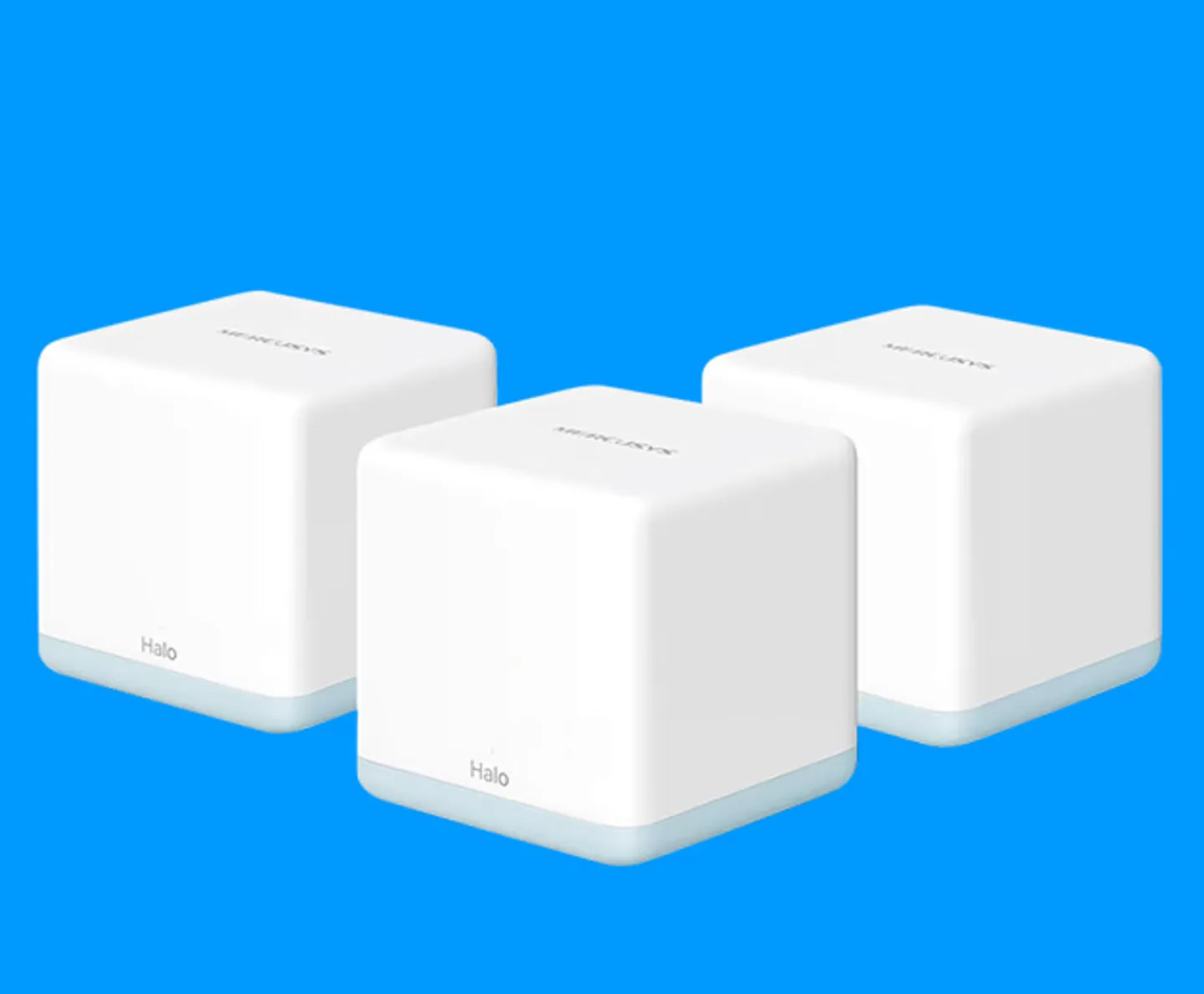
Dead zones in your office? How a mesh system can fix your WiFi
If your connection works well beside the router but fades in the boardroom or stockroom, the problem...

SME Advice
Telkom Business
Local business support
SME growth South Africa
Why supporting local businesses matters, and how digital tools help SMEs grow
Buying local matters. Helping an SME get connected, organised and visible can make an even bigger difference.
SME Advice
Fibre vs Fixed Wireless LTE
fixed wireless internet
Small business
Fibre vs Fixed Wireless LTE. Which one solves your slow network problem?
A practical guide to choosing an internet connection that suits your premises, your team and the way you work.


